The European Alliance for Plant-based Foods (EAPF) is warning that new restrictions on plant-based foods would harm farmers and food manufacturers, limit consumer choice, and undermine the EU’s upcoming Protein Plan, which aims to boost domestic plant protein production, innovation, and European strategic autonomy.
A new debate on the so-called “veggie burger ban” is emerging in the European Parliament. The previous ban, introduced by French MEP Céline Imart (EPP) and agreed in March 2026 had outlawed several “veggie” names on plant-based meat alternatives. Observers now fear that even further restrictions could be pursued as a second round of negotiations on the full revision of the Common Market Organisation (CMO) regulation gets underway.
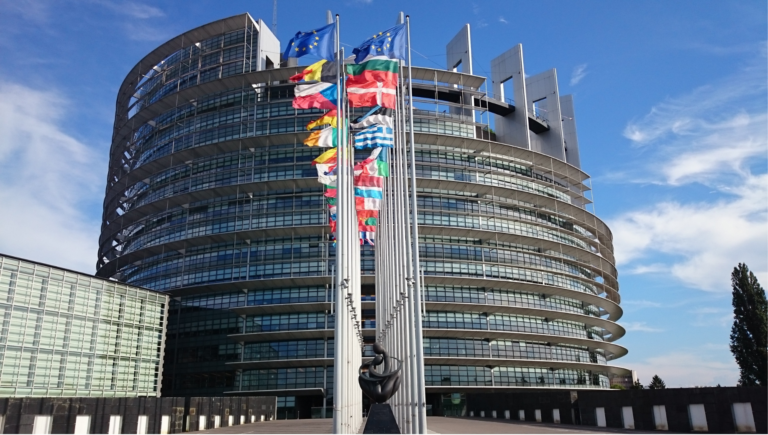
The debate began on Monday, 29 June, when the European Parliament started discussing its negotiating position. MEP Eric Sargiacomo (S&D) is leading the file, and he is the Parliament’s rapporteur. He has opposed additional naming restrictions for plant-based foods. However, a group of MEPs, including Céline Imart, are seeking to use the full CMO revision to extend the recently adopted restrictions to products such as burgers and sausages.
Thomas Schobesberger, Secretary General of European Alliance for Plant-based Foods (EAPF), an alliance of food businesses and civil society, urges policymakers to refrain from reopening the issue:
“Europe does not need another attack on plant-based foods and its farmers, its food businesses and its Protein Plan. Across the EU, more and more farmers are diversifying their businesses by growing protein-rich crops alongside livestock production. This is a very positive development in line with the upcoming EU Protein Plan, strengthening Europe’s food resilience and strategic autonomy.”
Efforts to restrict plant-based foods on the eve of the release of the EU Protein Plan
The European Commission has announced the publication of its long-awaited Protein Plan for 7 July 2026. According to the Commission’s Vision for Agriculture and Food, the document aims to a “create a more self-sufficient and sustainable EU protein system” and is expected to call for increased EU plant protein production and consumption of plant-based foods. This will then reduce the EU’s dependency on imports and strengthen its strategic autonomy and resilience.
“The ‘veggie burger ban’, in contrast, would send the wrong signal. It stigmatises plant-based diets and discourages demand for domestically grown protein crops. At a time of global challenges, when Europe is seeking to reduce its dependency on imported proteins and build a more resilient, competitive and sustainable food system, policymakers should be supporting, not restricting, autonomy, growth, innovation and consumer choice.”